Bitterness
The Human Struggle
What was done cannot be undone. The wound keeps getting reopened — by a memory, a smell, a face. The bitterness has become so familiar that it is almost a companion. But every relationship around you is beginning to feel the poison of it.
The Root Issue
Bitterness is the fruit of unforgiveness left to ferment. It begins with real pain — a legitimate wound — but over time becomes a choice to rehearse and protect the wound rather than release it. It is a slow poison that harms the one who holds it far more than the one who caused the wound.
What Scripture Says
Hebrews 12:15 warns against 'a root of bitterness that springs up and causes trouble, and by it many become defiled.' Bitterness is not private. It spreads. It corrupts. God calls it out specifically because He knows what it does to a soul.
"See to it that no one falls short of the grace of God and that no bitter root grows up to cause trouble and defile many."
Hebrews 12:15
"Get rid of all bitterness, rage and anger, brawling and slander, along with every form of malice. Be kind and compassionate to one another, forgiving each other, just as in Christ God forgave you."
Ephesians 4:31–32
"Do not take revenge, my dear friends, but leave room for God's wrath... Do not be overcome by evil, but overcome evil with good."
Romans 12:19–21
"For I see that you are full of bitterness and captive to sin."
Acts 8:23
"Each heart knows its own bitterness, and no one else can share its joy."
Proverbs 14:10
Lies We Believe & Truth That Sets Free
Lies We Believe
- My bitterness is justified given what was done.
- Letting go means it didn't matter.
- Holding on keeps me safe from being hurt again.
- They don't deserve my forgiveness.
- Time will eventually take this away.
Truth That Sets Free
Bitterness poisons the soul and spreads destruction — to your family, your community, your relationship with God. Letting go is not weakness. It is the most powerful act of trust: giving vengeance to God and choosing freedom over a cage of resentment.
Grace-Filled Next Steps
Acknowledge the bitterness by name — do not call it 'justified hurt' if it has become a pattern.
Trace the root: what specific wound has never been released?
Pray for the person who hurt you — this is the most direct route to release.
Pursue forgiveness as an act of will, trusting the feeling will follow.
Break the rehearsal pattern — stop replaying the offense.
Seek pastoral counseling for deep or long-standing bitterness.
Biblical Practices
Pray for the person you are bitter toward — genuinely and specifically
Memorize Ephesians 4:31–32 and pray it over your own heart
Examine who else has been affected by your bitterness — apologize to them
Write a letter to God about the wound — then release it in prayer
Ask: 'What am I protecting by staying bitter?' — and be honest about the answer
Prayer
Warning & Hope
Warning if Ignored
Bitterness does not dissipate with time — it calcifies. It becomes personality. It shapes how you see everything and everyone. It will contaminate your marriage, your parenting, your friendships, and your worship. The warning in Hebrews is that it defiles many — your bitterness affects people beyond yourself.
Hope in Christ
Joseph was sold by his brothers into slavery, falsely accused, and forgotten in prison. When he was in a position to destroy them, he said: 'You intended to harm me, but God intended it for good.' That perspective only comes from a soul that has released vengeance to God. It is available to you.
Recommended Reading
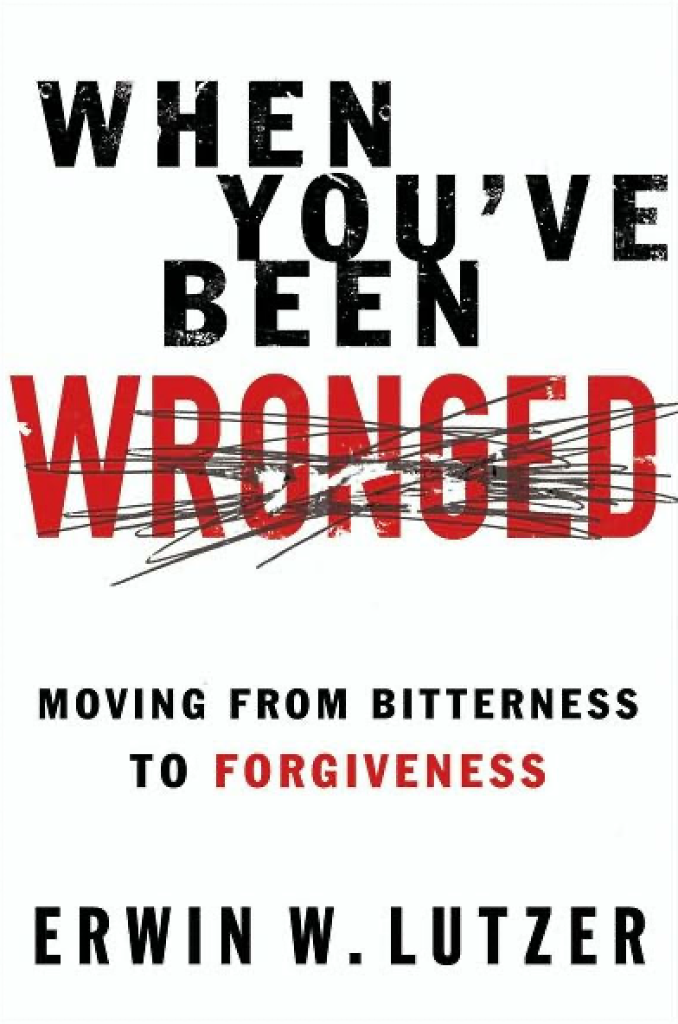
When You've Been Wronged: Moving From Bitterness to Forgiveness
Erwin W. Lutzer
Erwin Lutzer guides readers through the process of moving from bitterness to forgiveness, addressing difficult people and conflict while offering a path to healing grounded in God's grace and truth.
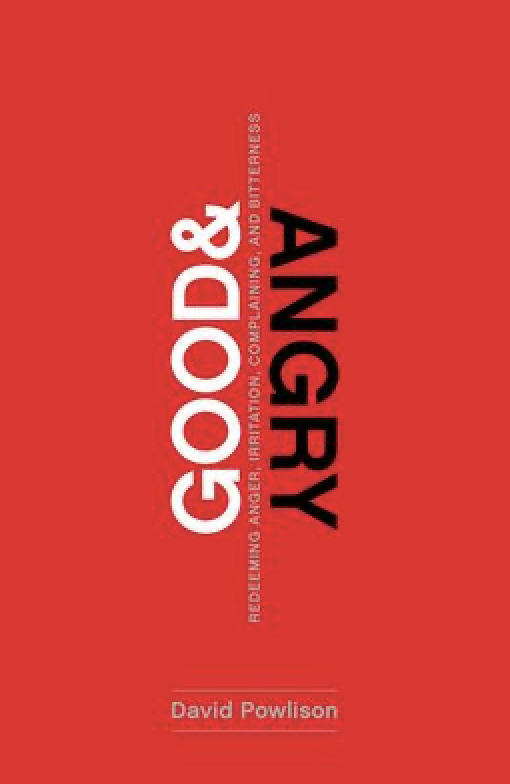
Good and Angry: Redeeming Anger, Irritation, Complaining, and Bitterness
David Powlison
David Powlison shows readers how anger is more than a problem to solve—it's a complex human response that can be redeemed. This book offers practical guidance to respond constructively when life goes wrong.

